
 Call a Friend
 Create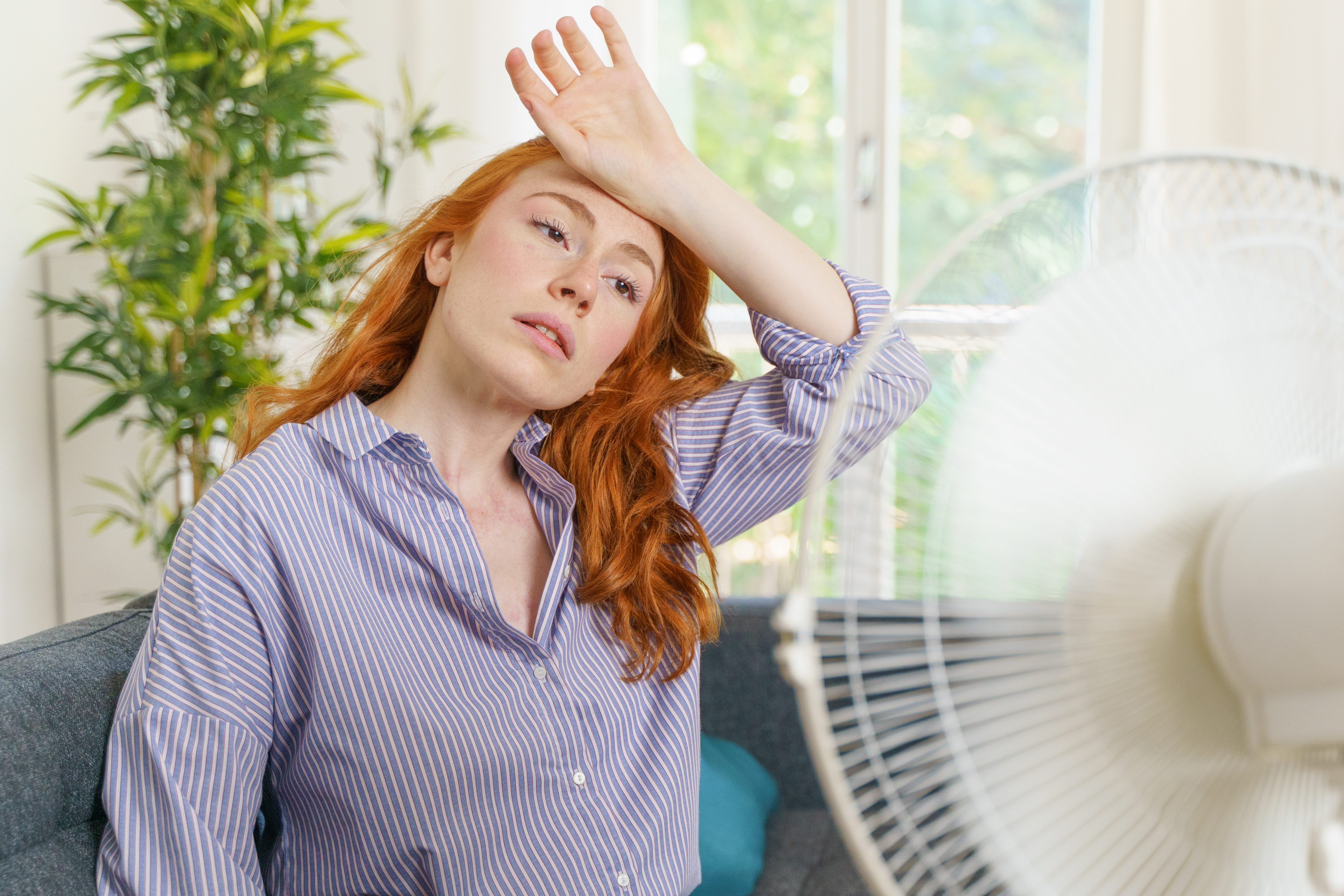
When Home Won’t Cool Down
How women can protect their health, sleep and energy during extreme heat
By Lydia™@Lydia.com
Health & Wellbeing • Approximately 5 minutes
Across parts of the United States and Europe, persistent high pressure has allowed heat to build over successive days and nights. The phrase “heat dome” sounds dramatic, but the lived experience is often quieter: a bedroom that never cools, a headache by mid-afternoon, damp clothes, broken sleep and the growing sense that ordinary tasks require too much effort.
For women without air conditioning, the aim is not to create a perfectly cool home. It is to reduce the body’s heat load, protect the hours when recovery is possible and know when discomfort is becoming danger.
What the Heat Dome Changes
A heatwave becomes especially wearing when hot nights follow hot days. The World Meteorological Organization notes that cooler nights normally allow people and buildings to release stored heat. When nights remain warm, that recovery is interrupted.
Heat makes the heart and kidneys work harder and can worsen cardiovascular, respiratory, kidney and diabetic conditions. It can also bring dizziness, nausea, weakness, cramps and headache. Poor sleep adds another layer: patience shortens, concentration slips and caring for work, children or older relatives can feel heavier than usual.
Turn Your Home Into Shade
Begin with the sun. Close curtains, blinds or shutters on windows receiving direct light. If the outdoor air is hotter than the indoor air, keep windows closed; when the evening or early morning becomes cooler, open them and use cross-ventilation to release stored heat. Check outdoor air quality first if wildfire smoke or pollution is present.
Choose one room to protect rather than trying to cool the whole home. Reduce oven use, switch off unnecessary lights and appliances, and spend part of the day in an air-conditioned library, mall, community building or cooling center if the house remains oppressive. Even a few hours in a cooler place can lower heat strain.
Cool the Body First
Fans move air; they do not lower its temperature. CDC guidance says to use a fan only when the indoor temperature is below 90°F (32°C). In hotter rooms, a fan can increase body temperature and should not be treated as protection from heat illness.
Simple body-cooling measures often bring the quickest relief:
- Take a cool shower or bath, or place a cool damp cloth on the neck and skin.
- Wear loose, lightweight clothing and move demanding tasks to the coolest hours.
- Drink water regularly rather than waiting for strong thirst; limit alcohol.
- Eat lighter, cooler foods when cooking would add heat to the home.
Anyone advised to restrict fluids because of a heart, kidney or other condition should ask a clinician how to manage hot days rather than simply drinking much more.
[PULL QUOTE]
The goal is not a perfectly cool home, but a body given regular chances to recover.
Protect Sleep and Energy
For women already living with hot flashes or night sweats, a hot bedroom can make sleep feel harder; women without them may struggle too. Prepare the bedroom before dusk: block late sun, cool the room when outdoor air allows, use light cotton bedding and keep water and a damp cloth nearby.
Lower expectations during a heatwave. Rest is not laziness; it is part of temperature control. Postpone strenuous exercise and heavy household work, and check on a friend, neighbor or relative who lives alone. A short message can reveal that someone’s home has become dangerously hot.
Know When Heat Is Dangerous
Pregnancy, age over 65, heart or kidney disease, diabetes and some mental-health conditions can increase heat risk. Diuretics, some blood-pressure medicines, antihistamines and certain psychiatric medicines may also affect thirst, sweating, circulation or fluid balance. Do not stop medication on your own; ask a doctor or pharmacist about a personal hot-weather plan and correct storage.
Heavy sweating, weakness, cool clammy skin, dizziness, nausea, headache or fainting may signal heat exhaustion. Move to a cooler place, loosen clothing, cool the skin and offer sips of water. Seek urgent medical help if symptoms worsen, vomiting occurs or symptoms last more than an hour.
Confusion, slurred speech, loss of consciousness, very hot skin or a body temperature around 103°F (39.4°C) or higher may indicate heat stroke. Call emergency services immediately, begin cooling with wet cloths or a cool bath, and do not give fluids to an unconscious or confused person.
Extreme heat narrows life for a few days, but small acts can widen it again: shade one room, cool the skin, drink regularly, rest without apology and notice who may need help. The weather cannot always be controlled. The body’s opportunities to recover often can.
Research & Sources
World Health Organization. “Heat and Health.” July 13, 2026.
https://www.who.int/news-room/fact-sheets/detail/climate-change-heat-and-health
World Meteorological Organization. “Extreme Heat.”
https://wmo.int/themes/extreme-heat
U.S. Centers for Disease Control and Prevention. “About Heat and Your Health.” July 20, 2026.
https://www.cdc.gov/heat-health/about/index.html
U.S. Centers for Disease Control and Prevention. “Heat and Medications — Guidance for Clinicians.” September 18, 2025.
https://www.cdc.gov/heat-health/hcp/clinical-guidance/heat-and-medications-guidance-for-clinicians.html
U.S. Centers for Disease Control and Prevention. “Clinical Overview of Heat and Pregnancy.” September 18, 2025.
https://www.cdc.gov/heat-health/hcp/clinical-overview/heat-and-pregnant-women.html
U.S. Environmental Protection Agency. “Extreme Heat and Indoor Air Quality.” Updated September 29, 2025.
https://www.epa.gov/emergencies-iaq/extreme-heat-and-indoor-air-quality
National Weather Service. “Heat Cramps, Exhaustion, Stroke.”
https://www.weather.gov/safety/heat-illness
Associated Press. “Heat Dome Expands Across the Central United States, Creating Dangerous Conditions for Millions.” July 25, 2026.
https://apnews.com/article/65d34e4c520472c7bb1f46cd133b7952
Associated Press. “Firefighters Battle One of Spain’s Biggest-Ever Wildfires During Heat Wave Across the Mediterranean.” July 22, 2026.
https://apnews.com/article/ba1eb5c07549f001e7dbb9399025941f
Lydia™ provides independent editorial commentary informed by the sources listed above.
Lydia™ Editorial Disclaimer
This article provides general educational information and is not a substitute for individualized medical advice, diagnosis or treatment. Heat-related illness can become an emergency quickly. If you or someone else has confusion, loss of consciousness, slurred speech or other signs of heat stroke, call local emergency services immediately. Ask a qualified healthcare professional about personal risks, fluid restrictions, pregnancy concerns and medication management during extreme heat.