
 Call a Friend
 Create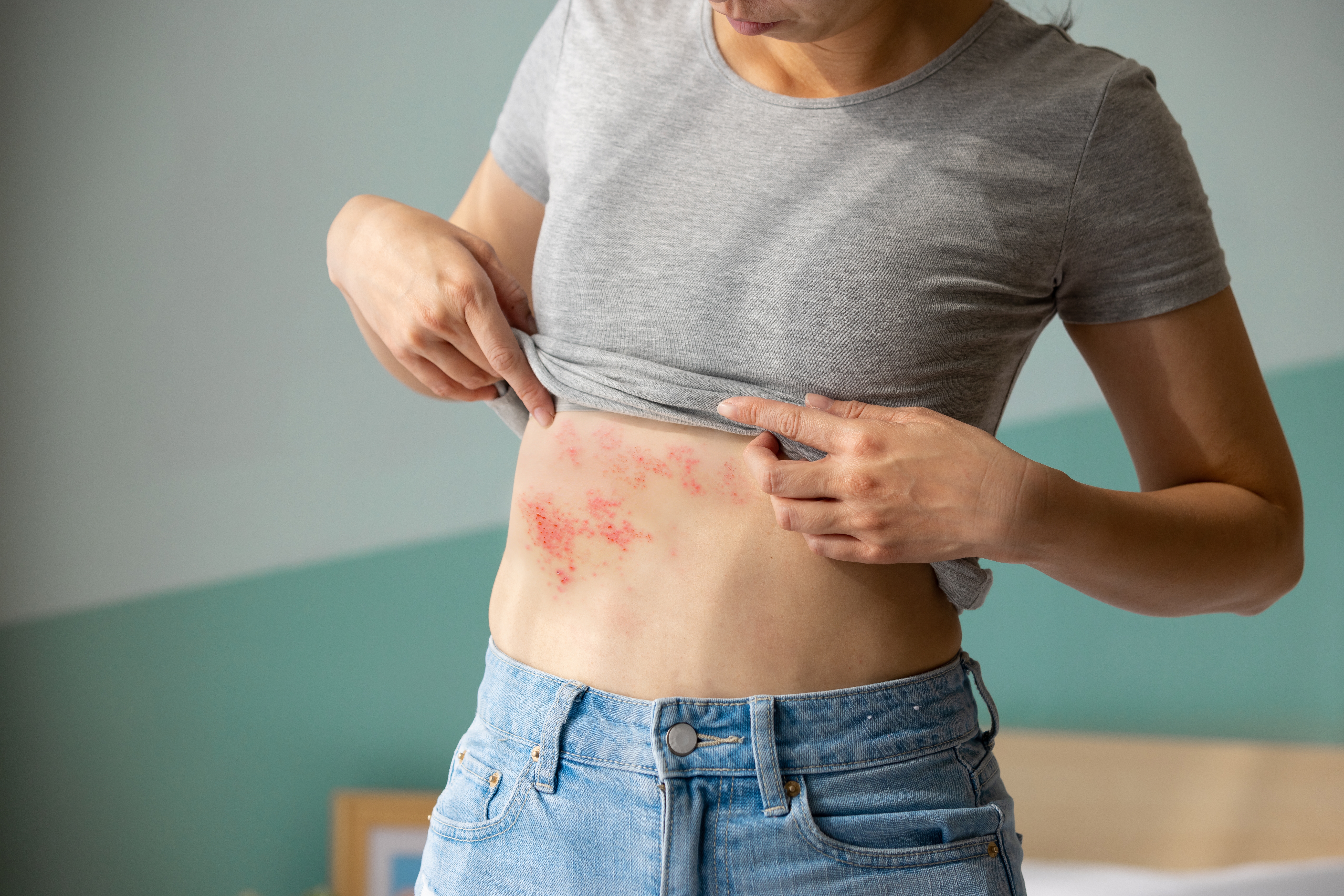
Understanding the symptoms, the risks and how to protect yourself
By Lydia.com Editorial Team
Most of us think shingles is something that only affects older people.
For decades, that has been the common perception—and for good reason. The risk of shingles does increase with age, which is why vaccination has long been recommended for older adults.
However, recent headlines have drawn attention to something unexpected: more younger adults, including women in their 30s and 40s, are being diagnosed with shingles. While older adults remain at the highest overall risk, new research suggests that certain younger people may also be more vulnerable than previously recognized.
The good news is that shingles is usually treatable, especially when recognized early. Understanding the symptoms and knowing when to seek medical care can make a significant difference.
What exactly is shingles?
Shingles, also known as herpes zoster, is caused by the same virus responsible for chickenpox.
After you recover from chickenpox, the virus doesn't disappear. Instead, it remains inactive inside nerve cells, sometimes for decades. If the body's immune defenses weaken or change over time, the virus can reactivate and travel along a nerve, producing the characteristic painful rash of shingles.
In the United States, about one in three people will develop shingles during their lifetime, making it a surprisingly common condition.
Why is shingles making the news?
A recent newspaper report highlighted doctors seeing more cases among younger adults, particularly women. While researchers are still investigating why this may be occurring, it is important not to jump to conclusions.
The strongest evidence currently available comes from a large U.S. study involving more than 20 million adults, published in 2026. Rather than finding that age no longer matters, researchers found something more nuanced.
Adults aged 30 years and older who had certain chronic medical conditions—including asthma, chronic kidney disease, chronic obstructive pulmonary disease (COPD), diabetes, depression, significant stress-related conditions or physical trauma—had shingles rates that were comparable to, or even higher than, healthy adults aged 50–59 years.
This doesn't mean every younger adult is at high risk. It simply reminds us that health is influenced by more than age alone.
Recognizing the symptoms
Shingles often begins before any rash appears.
Many people notice:
- Burning, tingling or stabbing pain on one side of the body
- Sensitive skin
- Itching or numbness
- Fatigue or feeling generally unwell
- Occasionally a mild fever
A few days later, a cluster of fluid-filled blisters usually develops.
One of the distinctive features of shingles is that the rash almost always affects only one side of the body, often appearing as a narrow band around the chest, back or abdomen. It can also occur on the face or around the eye, where prompt medical attention is especially important.
Why early treatment matters
Many people assume they should simply wait for the rash to heal.
In reality, time matters.
Antiviral medicines work best when started within 72 hours of the rash appearing. Early treatment can shorten the illness and may reduce the risk of complications.
If you develop a painful rash, particularly one affecting only one side of your body, contacting your healthcare provider promptly is a sensible step.
The complication doctors worry about most
For most people, the rash heals within two to four weeks.
Sometimes, however, the nerve pain continues long after the skin has recovered.
This condition, called postherpetic neuralgia, can cause persistent burning, stabbing or aching pain that lasts for months and occasionally much longer. It becomes more common with increasing age, although it can affect younger adults as well.
This is one of the main reasons doctors emphasize early diagnosis and prevention.
Can stress cause shingles?
Many people who develop shingles recall going through a particularly stressful period.
Research has found an association between psychological stress and an increased likelihood of shingles, but scientists believe the relationship is complex. Stress is unlikely to be the sole explanation, and it is probably one of several factors that may influence the immune system.
Rather than blaming yourself, it's more helpful to think of shingles as the result of several interacting influences, including age, underlying health conditions and the body's immune response.
Can shingles be prevented?
Vaccination remains the most effective way to reduce the risk of shingles and its complications.
In the United States, the CDC recommends the recombinant shingles vaccine for:
- Adults aged 50 years and older
- Adults aged 19 years and older whose immune systems are weakened because of disease or medical treatment
Researchers continue to study whether some younger adults with chronic health conditions might also benefit from broader vaccination recommendations in the future, but those discussions are still evolving.
If you're unsure whether vaccination is appropriate for you, discussing your personal medical history with your healthcare provider is the best approach.
Looking after your overall health
Although no lifestyle can completely prevent shingles, maintaining good general health supports your immune system.
Helpful habits include:
- Getting enough sleep
- Managing ongoing medical conditions
- Eating a balanced diet
- Staying physically active
- Finding healthy ways to manage stress
- Keeping recommended vaccinations up to date
These everyday choices benefit overall wellbeing—not just your immune system.
A calm perspective
It's understandable that recent headlines have caught people's attention.
But they shouldn't cause unnecessary alarm.
The vast majority of younger adults will not develop shingles. However, the latest research reminds us that shingles is no longer something only older adults should recognize.
Knowing the early symptoms, seeking prompt treatment and discussing vaccination with your healthcare provider if you're eligible are practical steps that can reduce the risk of serious complications.
Awareness—not anxiety—is the real takeaway.
Lydia's™ Take
Shingles is a reminder that our health is shaped by many different factors, not simply our age. Listening to your body, seeking medical advice early and looking after your long-term wellbeing are small decisions that can make a meaningful difference. At Lydia™, we believe that good health begins with reliable information, thoughtful conversations and informed choices.
Further Reading & Trusted Sources
This article was prepared using information from the following reputable sources:
- Centers for Disease Control and Prevention (CDC) – Shingles (Herpes Zoster)
- CDC – Symptoms and Complications of Shingles
- CDC – Shingles Vaccination (Shingrix)
- The Guardian – "Shingles rise among millennial women" (26 July 2026)
- Cohen RA, Oraichi D, Mwakingwe-Omari A, et al. Age-Specific Risk of Herpes Zoster in Adults Aged ≥18 Years With Comorbid Conditions—A Retrospective Cohort Study in the United States. Clinical Infectious Diseases. 2026.
Medical Disclaimer
This article is intended for educational purposes only and should not be considered medical advice. It is not a substitute for consultation with a qualified healthcare professional. If you have symptoms that concern you or questions about your health, please seek advice from your doctor or other appropriately qualified healthcare provider.